10 Best British TV Shows to Watch in 2026 (From Slow Horses to Peaky Blinders)
10 Best British TV Shows to Watch in 2026 (From Slow Horses to Peaky Blinders)
British television has a particular talent for making small stories feel enormous. A dysfunctional intelligence office becomes the centre of a national conspiracy. A quiet seaside town turns into a murder mystery. A Birmingham gangster family transforms into one of television's most unforgettable crime dramas.
And sometimes, all it takes is one brilliantly awkward woman speaking directly to the camera.
If you're looking for the best British TV shows to watch in 2026, there's plenty to choose from. The UK has produced some of the finest crime thrillers, spy dramas, comedies and science-fiction series of the past two decades.
But which ones are actually worth your time?
We've selected ten standout British series, combining cultural impact, storytelling, memorable performances and audience reception. Rather than judging each show by one overall score, we'll also look at what its episode ratings reveal.
Every recommendation links directly to its EpisodeGraph ratings heatmap, so you can explore the strongest seasons and standout episodes yourself.
1. Slow Horses (2022–present) — The best modern British spy thriller
Genre: Spy thriller, crime, dark comedy
Best for: Fans of intelligent espionage, dry British humour and unpredictable characters.
If there's one modern British series that deserves more attention, it's Slow Horses.
Based on Mick Herron's Slough House novels, the Apple TV series follows a group of MI5 agents who have been banished to an administrative dumping ground after career-ending mistakes.
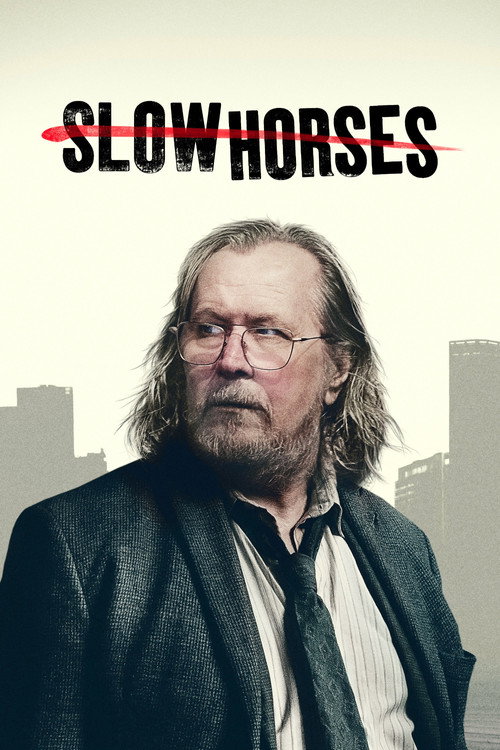
Their leader, Jackson Lamb, played magnificently by Gary Oldman, is rude, cynical, apparently lazy and far more intelligent than he wants anyone to believe.
What makes Slow Horses special isn't just the espionage. It's the combination of sharp dialogue, deeply flawed characters and genuinely tense storytelling.
Unlike many spy thrillers, it doesn't rely on glamorous agents and elaborate gadgets. Its heroes are messy, exhausted and frequently terrible at their jobs.
Yet somehow, they're exactly the people you want solving the crisis.
What the episode ratings reveal: EpisodeGraph currently shows a clear upward progression in the rated seasons: Season 1 averages 7.8, Season 2 reaches 8.0, Season 3 climbs to 8.2, and Seasons 4 and 5 both average 8.3.
That's an encouraging pattern for anyone worried about a show losing momentum after its debut.
Explore: Slow Horses — episode ratings and season heatmap
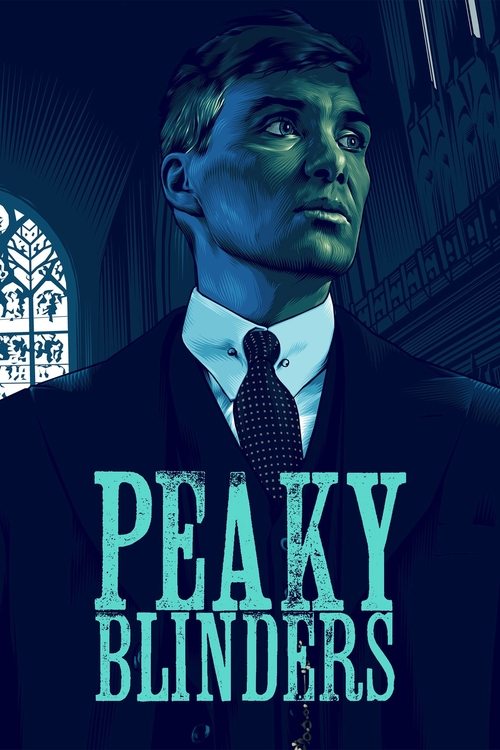
2. Peaky Blinders (2013–2022) — The ultimate British gangster drama
Genre: Historical crime, drama
Best for: Fans of complex antiheroes, stylish cinematography and intense family conflicts.
Few British television characters have become as iconic as Tommy Shelby.
Set in post-First World War Birmingham, Peaky Blinders follows the rise of a criminal family determined to build an empire through ambition, violence and political influence.
Cillian Murphy delivers an unforgettable performance as Tommy, a brilliant but deeply damaged leader whose greatest enemy may ultimately be himself.
The series combines period drama with a modern visual style, atmospheric music and memorable confrontations.
But its biggest strength is the tension between Tommy's growing power and the personal cost of his ambition.
What the episode ratings reveal: Season 4 is the highest-rated season on EpisodeGraph's current heatmap, averaging 8.9. The Season 2 and Season 3 finales each reach 9.5, showing just how effectively the series builds toward its biggest moments.
Explore: Peaky Blinders — complete episode ratings
3. Sherlock (2010–2017) — A modern detective classic
Genre: Crime, mystery, drama
Best for: Viewers who enjoy clever mysteries, rapid dialogue and brilliant character chemistry.
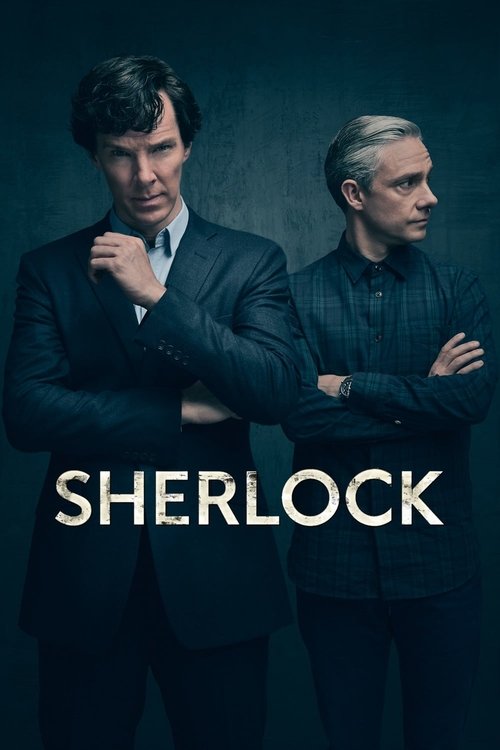
Benedict Cumberbatch and Martin Freeman reinvented Sherlock Holmes and Dr Watson for a modern London, turning familiar literary characters into a television phenomenon.
Each feature-length episode combines intricate mysteries, eccentric humour and the complicated friendship between its two leads.
The writing is ambitious, sometimes outrageous, and often remarkably entertaining.
At its best, Sherlock feels like a high-stakes intellectual game between its characters and the audience.
What the episode ratings reveal: Season 2 is particularly impressive, averaging 9.1. Its finale, "The Reichenbach Fall," reaches 9.6 on EpisodeGraph, while Season 4 has a noticeably lower average of 8.3.
It's a perfect example of why checking individual seasons can be more informative than relying on a show's excellent overall rating.
Explore: Sherlock — episode ratings and heatmap
4. Fleabag (2016–2019) — British comedy at its absolute best
Genre: Comedy, drama
Best for: Anyone who appreciates sharp writing, emotional honesty and unconventional storytelling.
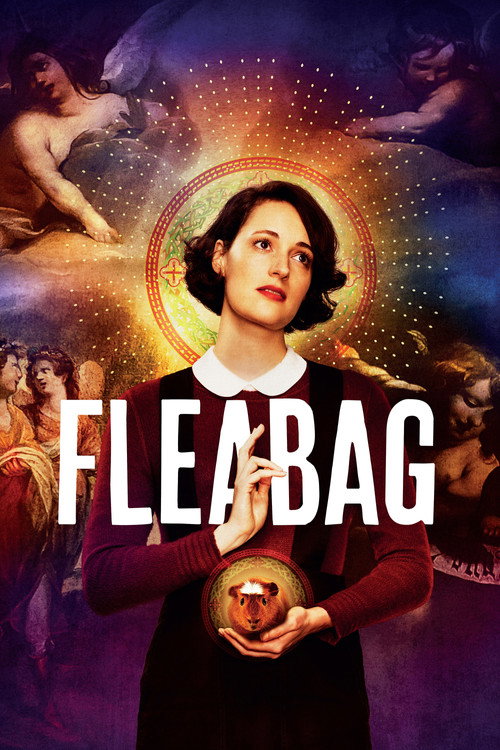
Created by and starring Phoebe Waller-Bridge, Fleabag is one of the most distinctive British comedies of the modern era.
Its central character navigates grief, relationships, loneliness and self-destructive behaviour while constantly breaking the fourth wall to address the audience.
The result is hilarious, uncomfortable and unexpectedly moving.
What begins as an irreverent comedy gradually becomes something much more emotionally complex.
And with only two short seasons, it's one of the easiest shows on this list to finish over a weekend.
What the episode ratings reveal: Season 1 averages 8.0, while Season 2 jumps to an impressive 8.8. The series finale reaches 9.3, making it the highest-rated episode currently displayed on EpisodeGraph.
Few shows improve so dramatically while maintaining such a distinctive voice.
Explore: Fleabag — both seasons compared
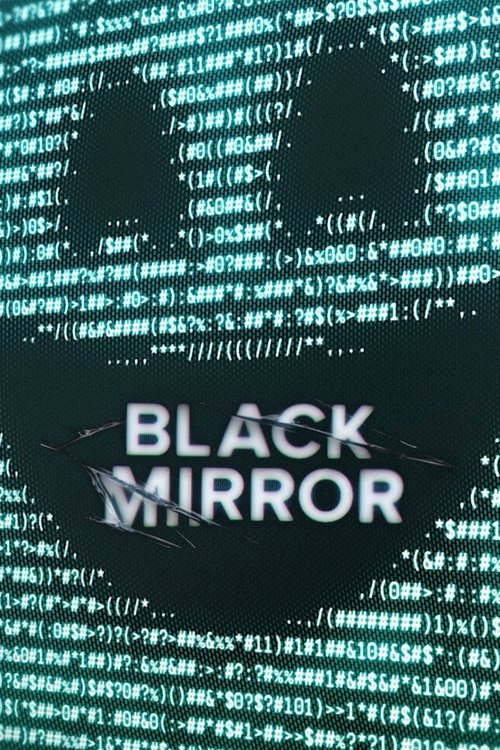
5. Black Mirror (2011–present) — The most unsettling British science-fiction anthology
Genre: Science fiction, psychological thriller, drama
Best for: Viewers who enjoy standalone stories, technological dystopias and uncomfortable moral questions.
What happens when technology advances faster than our ability to understand its consequences?
Black Mirror has spent years exploring that question through stories about surveillance, artificial intelligence, social media, virtual reality and human behaviour.
Created by Charlie Brooker, the series originally aired on Channel 4 before becoming a global Netflix phenomenon.
Its anthology format means most episodes tell independent stories, allowing the show to experiment with different tones and genres.
Some episodes are disturbing. Others are surprisingly emotional. A few are genuinely romantic.
The unpredictability is part of its appeal.
What the episode ratings reveal: The heatmap is unusually varied. Season 3 currently averages 8.2, while Seasons 5 and 6 average 6.8. The special episode "White Christmas" stands out at 9.1.
Unlike a continuous drama, Black Mirror is especially well suited to choosing individual episodes based on their ratings.
Explore: Black Mirror — find the highest-rated episodes
6. Line of Duty (2012–present) — The British police thriller that keeps you guessing
Genre: Crime, police procedural, thriller
Best for: Fans of interrogations, corruption investigations and elaborate twists.
Line of Duty takes the familiar police drama and turns it inside out.
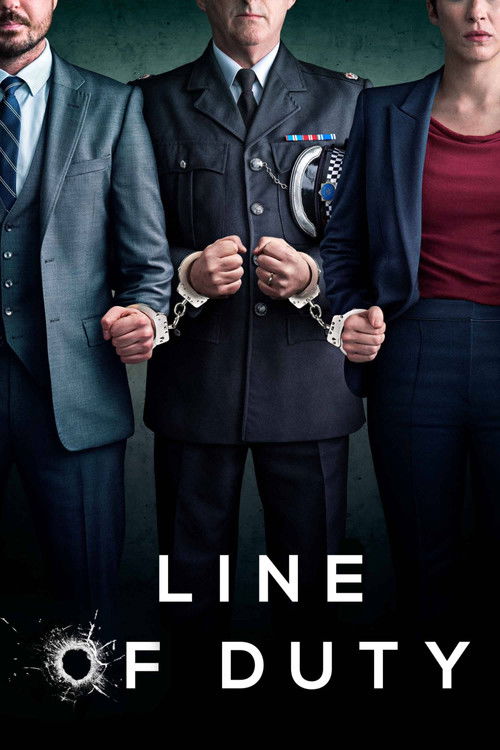
Instead of following detectives investigating ordinary crimes, the series focuses on AC-12, an anti-corruption unit tasked with investigating suspicious police officers.
That premise creates a world where almost everyone is potentially hiding something.
The show's signature interrogation scenes are extraordinary. A conversation in a plain interview room can feel more intense than an action sequence in a blockbuster.
Its complicated conspiracies also make it ideal for viewers who love building theories between episodes.
What the episode ratings reveal: Season 3 is a particular highlight, averaging 8.7. Its sixth episode reaches 9.5, one of the strongest individual ratings among the British crime dramas on this list.
Explore: Line of Duty — ratings by season
7. Broadchurch (2013–2017) — An unforgettable coastal murder mystery
Genre: Crime, mystery, emotional drama
Best for: Viewers who prefer character-driven mysteries over action-heavy thrillers.
Set in a fictional coastal town, Broadchurch begins with the death of a young boy and the investigation that follows.
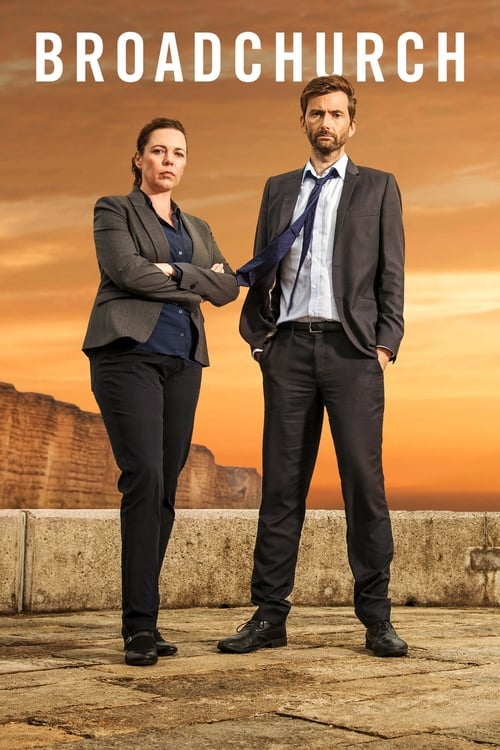
David Tennant and Olivia Colman play detectives whose contrasting personalities create a compelling partnership.
But the series is about much more than discovering who committed a crime.
It explores grief, suspicion, media pressure and the damage a tragedy can inflict on an entire community.
The coastal setting is beautiful, but its atmosphere is often suffocating.
What the episode ratings reveal: Season 1 is the standout on EpisodeGraph, averaging 8.0 and building toward an 8.6-rated finale. Seasons 2 and 3 average 7.5 and 7.4 respectively.
If you're choosing where to start, the first season is an exceptionally compelling self-contained mystery.
Explore: Broadchurch — season-by-season ratings
8. The Day of the Jackal (2024–present) — A sleek, high-stakes assassination thriller
Genre: Action, espionage, thriller
Best for: Fans of international cat-and-mouse stories and cinematic suspense.
Eddie Redmayne stars as a highly skilled assassin pursued across Europe by an intelligence officer determined to identify and capture him.
Based on Frederick Forsyth's famous novel, this modern adaptation combines international locations, elaborate operations and psychological tension.
Its appeal lies in the conflict between two intelligent opponents who are constantly adapting to each other's moves.
The series is more action-oriented than Slow Horses, making it a good choice if you prefer your espionage with a faster pulse.
What the episode ratings reveal: EpisodeGraph currently lists the first season with an episode average of 7.3. The opening episode scores 8.4, giving the series a particularly strong start.
Explore: The Day of the Jackal — episode ratings
9. The Inbetweeners (2008–2010) — British teenage comedy without the glamour
Genre: Sitcom, coming-of-age comedy
Best for: Fans of painfully awkward humour and chaotic friendships.
Not every great British series needs murder, espionage or a complicated conspiracy.
Sometimes, four socially hopeless teenagers are enough.
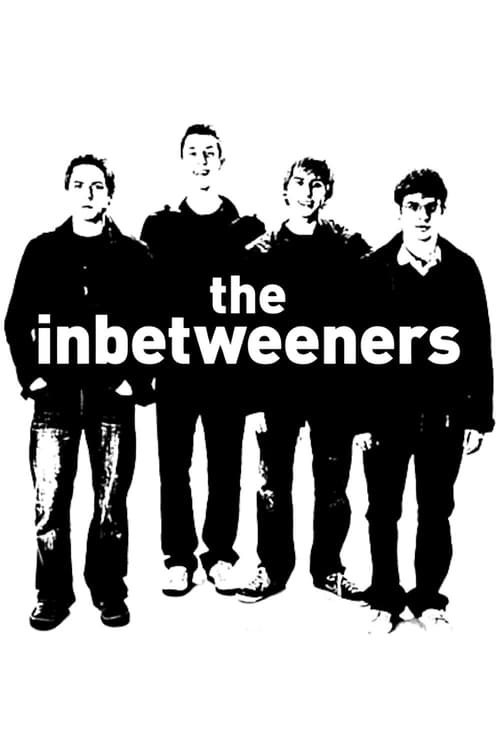
The Inbetweeners follows Will, Simon, Jay and Neil as they stumble through school, friendships, relationships and a seemingly endless series of humiliating situations.
Its humour is crude, exaggerated and unmistakably British.
But underneath the outrageous jokes is something surprisingly relatable: the embarrassment of being young and desperately trying to fit in.
With just three short seasons, it's an easy comedy to binge.
What the episode ratings reveal: EpisodeGraph's available episode scores show relatively similar season averages, around 7.3–7.4, suggesting a fairly consistent reception across its short run.
Explore: The Inbetweeners — all episode ratings
10. Spooks (2002–2011) — The classic British intelligence drama
Genre: Spy thriller, crime, drama
Best for: Viewers who want a longer-running espionage series with high-stakes missions.
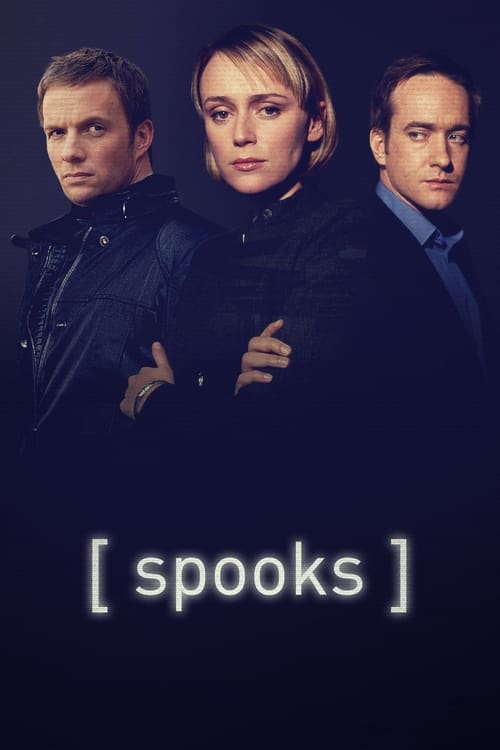
Long before Slow Horses brought MI5 back into the spotlight, Spooks was delivering tense British intelligence drama on BBC One.
The series follows officers working to protect national security while facing threats ranging from terrorism to political intrigue.
Unlike more glamorous spy fiction, Spooks often emphasizes the personal and professional consequences of intelligence work.
Its willingness to take risks with major characters helped establish its reputation for unpredictability.
For anyone who finishes Slow Horses and wants another British spy series, this is a natural next choice.
What the episode ratings reveal: Its ten-season run offers plenty to explore, and EpisodeGraph's heatmap provides a convenient way to compare its different eras.
Explore: Spooks — complete season heatmap
Which British TV show should you watch first?
The best choice depends on your mood.
If you want…Start with…A modern spy thrillerSlow HorsesA stylish gangster epicPeaky BlindersBrilliant detective mysteriesSherlockA short, emotional comedyFleabagThought-provoking science fictionBlack MirrorPolice corruption and suspenseLine of DutyAn emotional murder mysteryBroadchurchFast-paced international espionageThe Day of the JackalClassic British teenage comedyThe InbetweenersA long-running intelligence dramaSpooks
Why episode ratings matter when choosing a British series
A show's overall IMDb rating can tell you whether audiences generally enjoyed it. But it won't tell you whether the final season is disappointing, whether the second season is dramatically better, or whether the most acclaimed episode arrives halfway through the story.
Consider the differences between these shows.
Fleabag improves considerably in its second season. Sherlock reaches some of its highest peaks in Season 2. Peaky Blinders maintains strong ratings across six seasons, with Season 4 standing out. And Slow Horses shows a steady rise in its available season averages.
Those are different viewing experiences, even though all four series have strong reputations.
That's where EpisodeGraph becomes useful.
Instead of comparing just one rating per show, you can explore every season through a colour-coded episode heatmap, identify standout episodes and discover where each series reaches its peak.
Frequently asked questions
What is the best British TV show to watch in 2026?
For a modern series, Slow Horses is one of our strongest recommendations thanks to its sharp writing, excellent cast and consistently improving episode ratings. For established classics, Sherlock, Peaky Blinders and Fleabag are excellent starting points.
What are the best British crime TV shows?
Peaky Blinders, Line of Duty, Broadchurch and Sherlock are standout choices. Each offers a different approach to crime storytelling, from historical gangster drama to modern detective mysteries.
Is Slow Horses worth watching?
Yes, particularly if you enjoy intelligent spy thrillers with dark humour. Its available episode ratings show a positive progression across the first five seasons, making it an appealing choice for a longer watch.
Which British TV show is best for a weekend binge?
Fleabag is ideal because it has just twelve episodes across two seasons. The Inbetweeners is another good option if you're looking for something lighter and funnier.
Is Peaky Blinders better than Sherlock?
They offer very different experiences. Peaky Blinders is a long-form crime saga with a strong emphasis on character development, while Sherlock focuses on elaborate mysteries and feature-length episodes. Compare their ratings on EpisodeGraph to see how their seasons differ.
Where can I compare British TV episode ratings?
You can explore individual episode ratings, season averages and visual heatmaps directly on EpisodeGraph.
Final verdict: British television has something for everyone
The best British TV shows don't all look alike.
Some are quiet, character-driven dramas. Others are stylish crime epics, unsettling science-fiction experiments or comedies built around unbearable social embarrassment.
What connects them is their ability to create memorable characters and stories that stay with you long after the credits roll.
If you're starting with just three, our recommendations are Slow Horses for modern espionage, Peaky Blinders for ambitious long-form drama, and Fleabag for a short but unforgettable viewing experience.
And before committing to your next binge, explore the episode ratings on EpisodeGraph. Sometimes the most useful recommendation isn't just which show to watch—it's knowing where that show truly shines.