TV Shows That Got Better Over Time, Ranked by the Data
The hardest question in television isn't "is this show good." It's "does it get good." Plenty of all-time greats open with a shaky first season that sends viewers bouncing before the payoff ever arrives — and an overall rating is useless for spotting them, because it blends the slow start and the brilliant ending into one flat number. This is the mirror image of the shows that fell off: series that climbed instead of collapsed, rewarding everyone who stuck around. Here are the best TV shows that got better over time, ranked by where their grids actually rise, read straight off the heatmaps that power every page on EpisodeGraph.
How we measure a show getting better
On a heatmap, a show getting better is unmistakable: the grid warms from left to right, cooler early cells giving way to a deepening field of green as the seasons climb toward a peak. That's the opposite of the cliff-edge collapses we mapped elsewhere, and it's the single most useful pattern to know before committing to a long series. It answers the only question that matters when a first episode leaves you lukewarm — does the payoff justify the patience? Because these are live community scores that shift as more people vote, treat the figures below as approximate and open each show's page for the current grid.
Breaking Bad — the climb to a perfect finish
Breaking Bad is the gold standard for a show that escalates. Its season averages rise almost step by step — from around 9.2 in the first season to roughly 9.68 by the fifth — and the grid gets visibly greener as Walter White's descent accelerates, peaking in a final run that includes some of the highest-rated episodes ever made. It's the rare series where the best episode is also nearly the last, which is exactly the shape you want to see on a heatmap before you start: a line that only goes up. If you're searching "Breaking Bad season ratings," the climb is the headline.
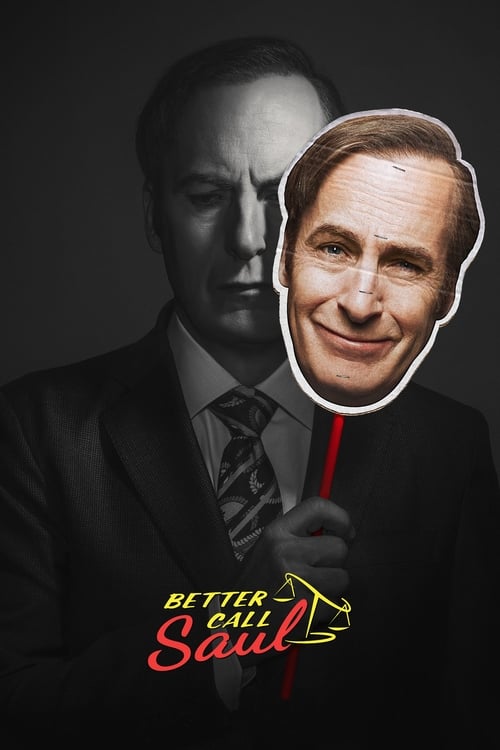
Better Call Saul — the cleanest season-by-season ascent
If Breaking Bad climbs, Better Call Saul ascends with almost mathematical neatness. Its season averages step up nearly every year — roughly 8.6, then 8.8, 8.9, 9.1, and up to about 9.2 in its final season — making it perhaps the most consistently improving prestige drama on television. The prequel that had no business matching its predecessor instead got better the longer it ran, and the heatmap shows a grid that keeps deepening toward a near-flawless finish. It's the clearest "trust the process" show on this list.
The Wire — the slowest burn, the greatest payoff
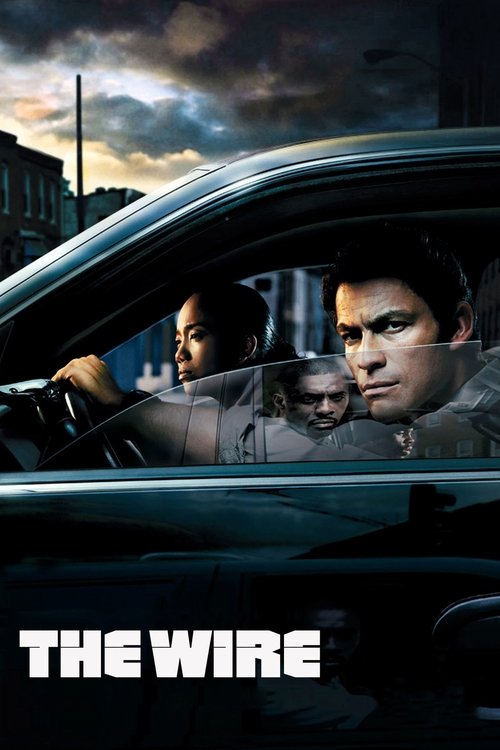
No show rewards patience like The Wire. Its first season is a deliberate, methodical build that famously asks viewers to sit through several episodes before the picture clicks into place — which is why "is The Wire worth watching" is one of the most-Googled questions in television. The answer on the grid is emphatic: the show climbs to a fourth season, centered on Baltimore's school system, that is routinely called the greatest single season of TV ever made. The early cells aren't the point; the trajectory is. Stick with it and the heatmap pays you back.
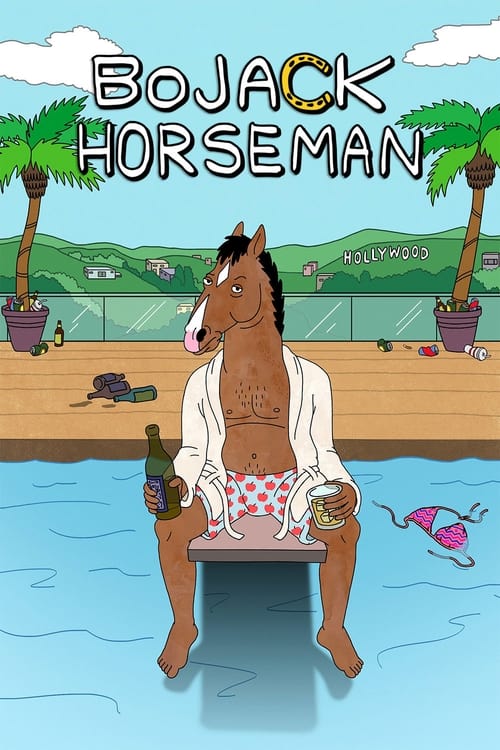
BoJack Horseman — push past the first season
BoJack Horseman is the textbook case of a weak opening hiding a masterpiece. Its first season is the show's lightest and lowest-rated, an adult cartoon still finding its tone — and the reason so many people quit early and missed what came next. From the second season on, the grid transforms as the series turns into one of the most acclaimed character studies of its era. It's the show every "give it three episodes" recommendation was invented for.
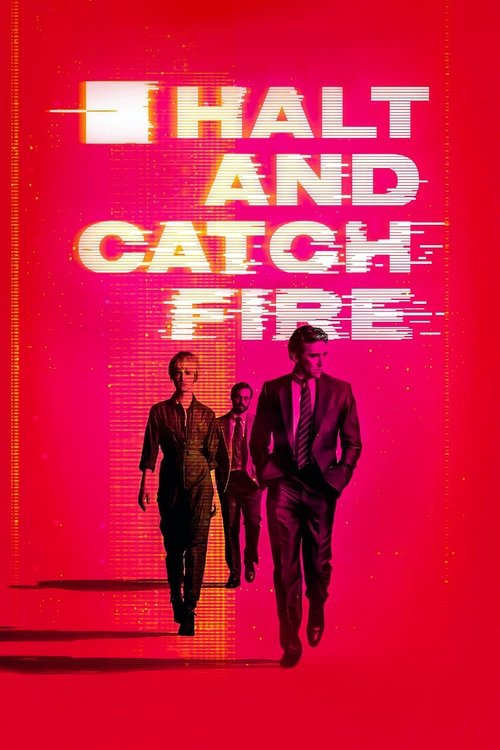
Halt and Catch Fire — the show that taught patience
Few series improved as dramatically, or as quietly, as Halt and Catch Fire. It launched to modest attention with a solid-but-derivative first season, then reinvented itself and climbed steadily into one of the most beloved finales of its decade — a slow-burn ascent that turned a cult following into a chorus of "it gets so much better." On the heatmap the back half outshines the front, the exact opposite of the shows that coast on a strong pilot and fade.
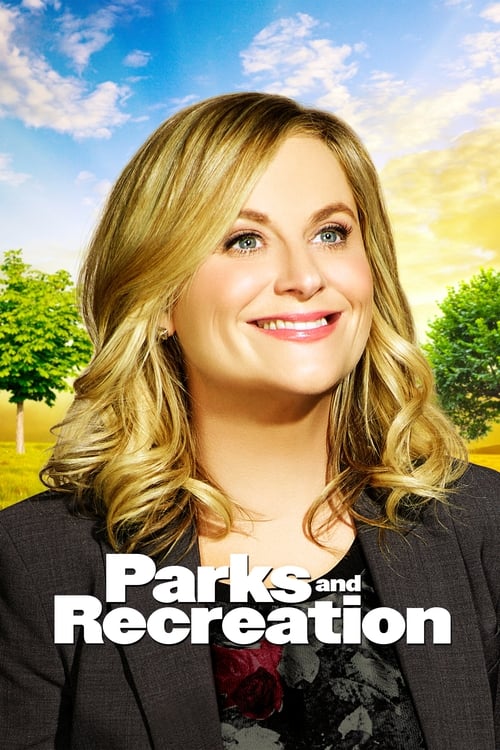
Parks and Recreation — skip the growing pains
Parks and Recreation proves the pattern isn't just for prestige drama. Its short first season is rough and tonally unsure, low enough on the grid that plenty of viewers never returned — and then the show retools into one of the warmest, most consistent comedies on television. The green floods in from the second season onward. It's the comedy equivalent of a slow start that pays off, and the heatmap tells you exactly which stretch to power through.
The Leftovers — from bleak to transcendent
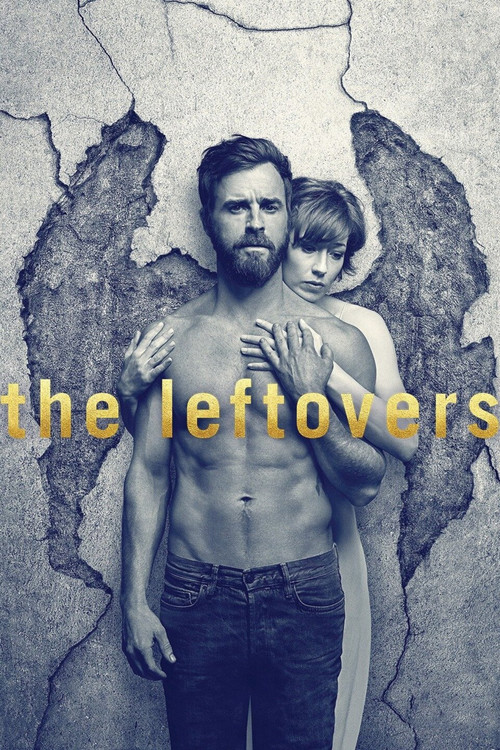
The Leftovers opened so bleak and divisive that it nearly lost its audience, then spent two seasons climbing into what many critics now call one of the greatest dramas ever aired, capped by a finale among the highest-rated episodes of its era. The grid's ascent is steep and earned. It's the most extreme example here of a show whose first impression actively undersells what it becomes.
Frequently asked questions
What TV show improved the most over time?
By the data, Better Call Saul has one of the cleanest season-by-season climbs of any prestige drama, while The Leftovers and Halt and Catch Fire made the most dramatic leaps from a divisive or modest start to a celebrated finish. Breaking Bad is the benchmark for a show that simply escalates toward its peak.
Is The Wire worth watching despite the slow start?
Yes. The first season is a deliberate build, but the show climbs to a fourth season widely regarded as the best in TV history. The grid rises steadily, so the early patience is rewarded rather than wasted — most viewers who reach the midpoint are hooked.
Which shows have a slow first season worth pushing through?
BoJack Horseman, Parks and Recreation, Halt and Catch Fire and The Leftovers all open weaker than they finish. In each case the heatmap shows a clear upward trajectory, so the rough early episodes are a hurdle, not a verdict.
Why do some shows take a season to get good?
Early seasons often go to establishing tone, casting chemistry and world-building before the writing finds its rhythm. The strongest shows convert that groundwork into momentum, which is what an ascending grid captures — and what a single overall rating completely hides.
Do these ratings change over time?
Yes. IMDb and community scores are live and shift as more people vote. The heatmaps always reflect the current figures whenever you open them.
The takeaway
The best shows don't always announce themselves in episode one — some of the greatest ever made spend a whole season earning their reputation. An overall rating can't tell you which lukewarm pilot opens onto a masterpiece and which is just lukewarm, but the shape of the grid can. Open any heatmap above, look for the climb, and you'll know exactly which slow starts are worth your patience — the natural counterpart to knowing which beloved shows quietly fell off instead.