The Best TV Shows to Watch in 2026, Ranked by Episode Ratings
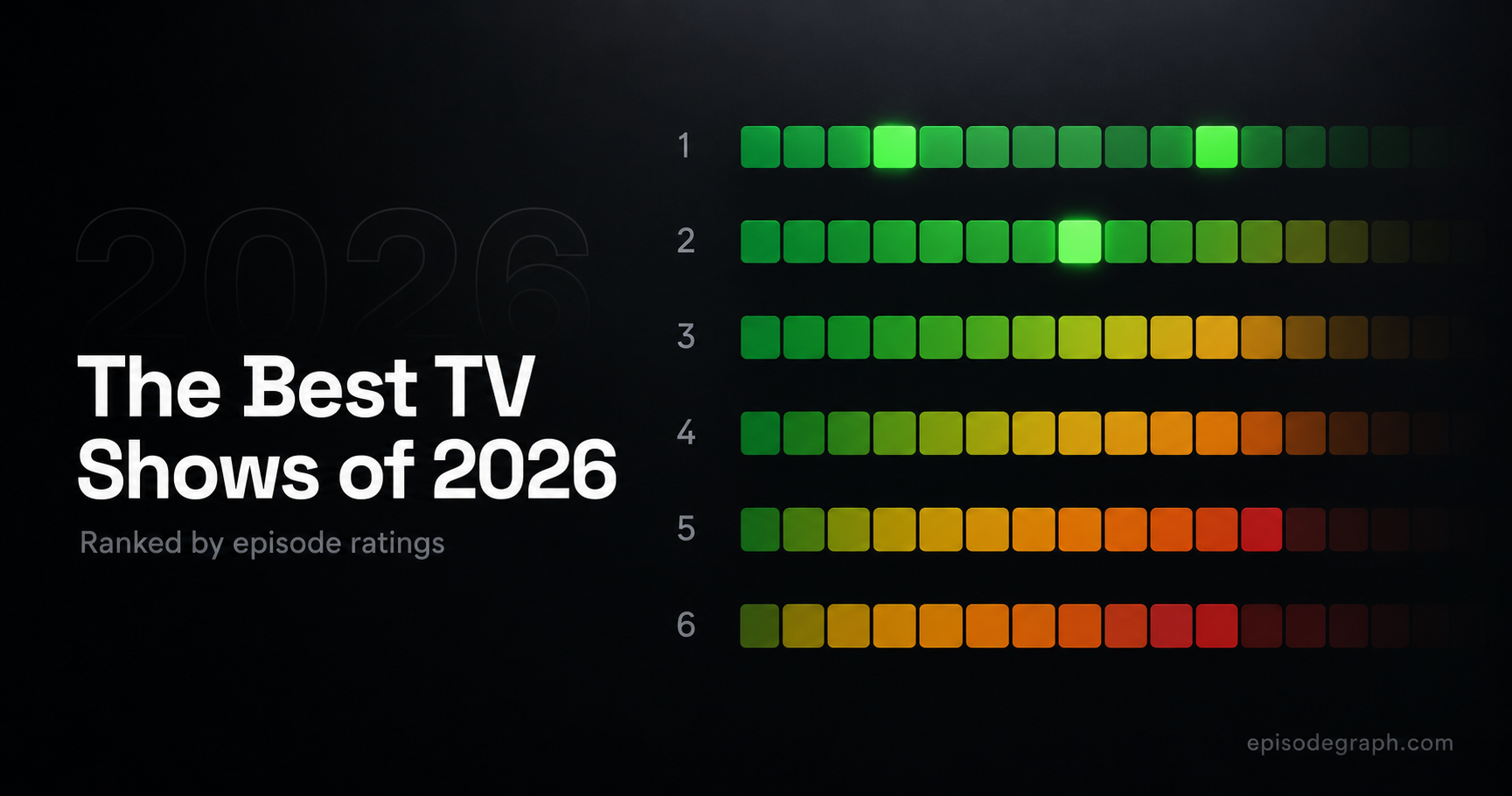
The overall score on a show's page is the bluntest instrument in television. It tells you a series is "good," but it can't tell you whether the year's biggest seasons actually stuck the landing — whether a hyped final run stayed great to the very end, cratered in its back half, or hid a single all-time-great episode inside an otherwise shaky grid. That story only ever shows up when you rate every episode. The good news, halfway through the year: most of 2026's heavy hitters have now fully aired and settled, so this isn't a list of predictions. It's our running, data-backed guide to the best TV shows to watch in 2026, ranked not by one number but by where each show's episodes actually peak — read straight off the color-coded heatmaps that power every page on EpisodeGraph.
How we rank the best TV shows of 2026
Most "best shows of 2026" lists hand you a single rating per series and move on. We do the opposite: every show gets a grid where each cell is one episode, green for the high-rated installments and red for the dips. A great season is a wall of green; a divisive one is a checkerboard. That distinction is the whole point — it is how you tell a genuinely consistent show from one coasting on a strong premiere, and how you catch the two things a single average always hides: a brilliant episode buried in a weak season, and a review-bombed crater dragging an otherwise strong one down. Vote counts matter as much as the score itself, which is why the heatmap shows both. IMDb and community ratings stay live and shift as more people vote, so treat every figure below as approximate and open each show's page for the current numbers.
Stranger Things 5 — the biggest ratings swing of the year
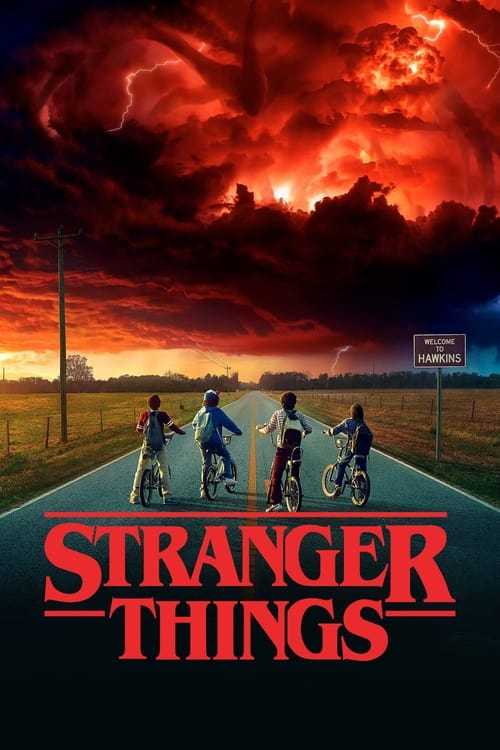
No 2026 conversation carries more weight than the final season of Stranger Things, which rolled out across late 2025 and closed on New Year's. If you are searching "Stranger Things 5 ratings," the heatmap tells a more dramatic story than any single average: the season runs mostly green, peaking with its fourth episode at around 9.5, with most chapters landing between 8 and 9.2 and the feature-length finale at roughly 7.9. But it also contains the single most dramatic crater in the show's history. The penultimate episode, "The Bridge," sits near 5.4 — the lowest-rated episode Stranger Things has ever posted, dropping below the long-infamous Season 2 entry "The Lost Sister." It drew an enormous, anomalous surge of votes after a divisive story beat, a textbook case of review-bombing pulling a score well below where the broader audience landed. It is exactly why one red cell should never be read in isolation, and why the vote count next to it is half the story. For context, the show's all-time peak remains the Season 4 episode "The Massacre at Hawkins Lab" at around 9.6 — the bar the finale was always going to be measured against.
The Last of Us Season 2 — the most volatile grid of the year
The Last of Us built one of the steadiest debut grids on television, with Season 1 episodes routinely scoring 8.6 to 9.0. Season 2 is the far more interesting heatmap, because it splits hard: the season average slid to roughly 7.4, yet its second episode — the season's pivotal, controversial turn — shot to around 9.5, reported as the highest-rated episode in the entire series on IMDb. That is the clearest "split grid" of the year: one towering green spike standing over a cooler, more divided season, with audience scores on other aggregators dropping sharply amid the backlash. If you are weighing "is The Last of Us Season 2 worth watching," the grid answers it honestly — there is a genuine peak here, surrounded by episodes the audience argued over rather than embraced.
Severance Season 2 — the slow burn that paid off
Severance is the cleanest argument for reading a show by episode rather than by its overall score. Season 2 settled at around 8.5, climbing steadily toward its finale, "Cold Harbor," the season's clear highlight and one of the highest-rated episodes on Apple TV+. On the grid you can watch the green deepen as each run builds toward its payoff, which makes it the model "give it time" show — and a perfect case for checking where the peaks sit before deciding a measured opening isn't worth your time.
Wednesday Season 2 — broad appeal, spiky ratings
Wednesday remains one of the most-watched titles on Netflix, but its heatmap is spikier than its viewership suggests: a couple of clear standout episodes carry the season while the rest land solidly rather than spectacularly. That gap between massive popularity and episode-by-episode scores is exactly what the grid exposes, and it is why "Wednesday Season 2 ratings" is worth reading cell by cell rather than as one headline number. It is the best example on this list of a show that everyone watches but that rewards a closer look at which episodes are actually the keepers.
The Penguin and Andor — the benchmark green grids
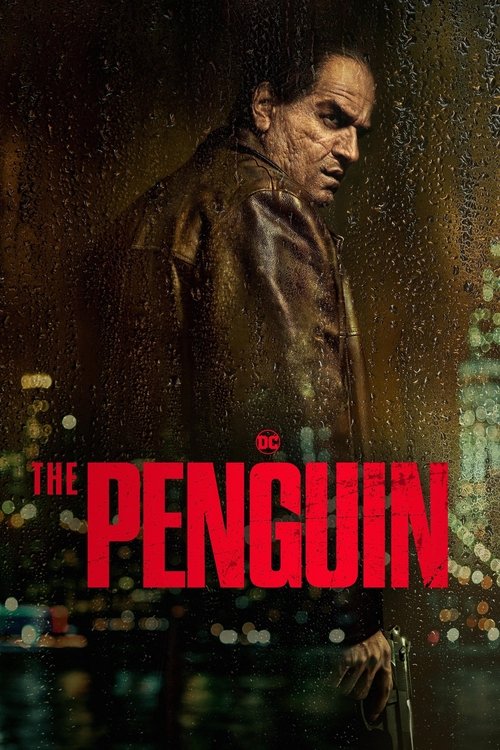
If you want the gold standard for a consistent grid, two recent titles set it. The Penguin proved a spin-off can post a near-uniformly green heatmap, capped by a finale among the highest-rated episodes of its year — the benchmark every 2026 limited series is measured against. Andor went further, wrapping its two-season run with a grid that stayed green from the first episode to the last, rare for any series and almost unheard of for a sprawling political drama. For anyone hunting the best HBO and prestige-streaming shows with no weak stretch to skip, these two grids are the ones to copy.
Still to come in 2026: House of the Dragon and Shōgun
Two of the year's most anticipated grids are still being written. House of the Dragon Season 3 premieres June 21, 2026 on HBO and HBO Max (June 22 in some regions), running eight weekly episodes into August. The show trades on big-event episodes — the ones where the dragons actually clash send single cells soaring while quieter political hours sit lower — so the question is whether the new season trends up toward its best or settles into a reliable-but-uneven pattern. Shōgun, which set an extraordinarily high bar with a debut grid that stayed green start to finish, has a second season in the works without a locked release date yet, making its eventual return one of the biggest tests on the calendar. As both air and votes come in, their heatmaps fill in on the page in real time — check back to watch the grids take shape episode by episode.
Frequently asked questions
What are the best TV shows to watch in 2026?
By episode ratings, the strongest completed seasons available now include the final season of Stranger Things, The Last of Us Season 2, Severance Season 2, Wednesday Season 2, The Penguin and Andor, with House of the Dragon Season 3 (premiering June 21) and an upcoming Shōgun Season 2 among the most anticipated still to come. "Best" depends on whether you value consistency or peaks — which is exactly what each show's heatmap reveals at a glance.
What is the lowest-rated Stranger Things episode?
As of mid-2026, the Season 5 penultimate episode "The Bridge" is the lowest-rated episode of Stranger Things on IMDb, sitting near 5.4 after a wave of review-bombing. It narrowly surpassed the previous low, the Season 2 episode "The Lost Sister." The rest of Season 5 scored far higher, between roughly 8 and 9.5.
Is The Last of Us Season 2 worth watching?
It depends on what you want. The season average dropped to around 7.4 from Season 1's 8.6–9.0, and it divided audiences, but it also produced one of the highest-rated episodes in the entire series. The heatmap shows exactly where the peak is and where the dips fall, so you can judge it episode by episode rather than on the controversy.
When does House of the Dragon Season 3 come out?
House of the Dragon Season 3 premieres June 21, 2026 on HBO and HBO Max in the US (June 22 internationally), with eight episodes airing weekly through early August.
Why rank shows by episode ratings instead of the overall score, and do the ratings change?
An overall score flattens a season into one number and hides both its best episodes and its weak stretches, and it can be skewed by review-bombing on a single episode. Episode-level ratings tell you where a show actually peaks and whether it stays good. Because IMDb and community scores are live, they shift as more people vote — the heatmaps always reflect the current figures whenever you open them.
The takeaway
The best TV shows of 2026 aren't decided by a single rating — they're decided episode by episode, in the green spikes and red dips that an overall average quietly smooths away. This year made the point louder than usual: a final season with the lowest-rated episode in its history, a divisive season hiding one of its show's best-ever episodes, and a slow burn that paid off in its finale. Now that most of the year's biggest seasons are fully scored, stop guessing — open any heatmap above, find where each season actually peaks, and build your watch order from the data instead of the hype.